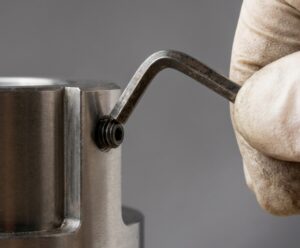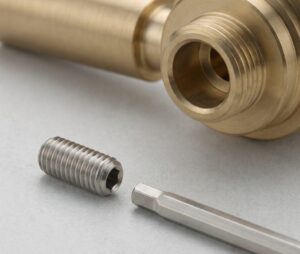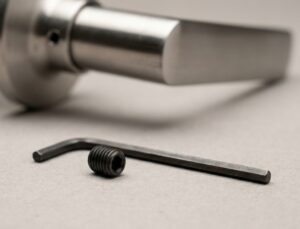
A brass tipped set screw is a specialized fastener designed with a protective brass insert at its point to prevent damage to the mating shaft or surface. Similar to a nylon tipped set screw, it provides excellent locking capabilities while ensuring the underlying material remains unmarred during tightening. These components are essential in precision engineering where secure holding power must be balanced with absolute surface protection.
What is nylon tipped set screw?

A nylon tipped set screw is a premium fastening component featuring a durable polymer insert at its tip. This specialized design allows the screw to compress tightly against a mating surface without scratching, scoring, or deforming the shaft, making it ideal for delicate or frequently adjusted mechanical assemblies.
Composition and Design Mechanics
The fundamental architecture of these fasteners relies on the integration of a metal body and a non-marring tip. When comparing them to brass alternatives, the nylon insert offers unique elastic properties that conform to the exact shape of the mating surface, ensuring maximum contact area.
- Threaded Body: Usually crafted from stainless or alloy steel, providing the necessary torque and driving force.
- Nylon Insert: Acts as a highly compressible buffer that completely prevents metal-to-metal contact.
- Drive Type: Typically features a hex socket or slotted head for precise, controlled torque application.
NTSS Pro Tip: Always verify the operating temperature of your application; while brass tips handle high heat, nylon tips provide superior vibration resistance but have lower thermal limits.
How Does nylon tipped set screw Work?

The nylon tipped set screw works by utilizing its compressible polymer point to absorb rotational torque and linear pressure. As the screw is tightened, the nylon insert deforms slightly to grip the shaft securely, creating a high-friction lock that resists loosening from vibration without damaging the metal.
The Frictional Locking Mechanism
The operational efficiency of this fastener lies in its ability to generate maximum holding power through controlled deformation. Unlike standard cup-point screws that bite physically into the metal, the nylon tip relies entirely on surface friction.
- Initial Contact: The screw is driven until the soft polymer tip meets the shaft.
- Compression Phase: Additional torque compresses the nylon, spreading it flush against the mating curve.
- Friction Lock: The compressed material creates a high-friction bond that acts as a natural thread locker.
- Safe Release: Upon untightening, the tip recovers its shape, leaving the shaft completely unblemished.
NTSS Pro Tip: Do not over-torque these fasteners. Rely on the manufacturer’s specified torque limits to ensure the nylon insert compresses properly without shearing off inside the assembly.
What are the benefits of nylon tipped set screw?

The primary benefits of a nylon tipped set screw include superior surface protection, excellent vibration dampening, and reusability. By preventing scoring on shafts, they eliminate the need for costly repairs or replacements, while their elastic nature provides a self-locking mechanism that maintains tension in dynamic environments.
Performance Advantages in Industrial Applications
These specialized fasteners offer a distinct advantage over traditional all-metal set screws, particularly in assemblies requiring frequent adjustments or utilizing soft shaft materials like aluminum or brass.
Based on our internal data and market analysis, here is the breakdown:
| Benefit Category | Description | Impact on Assembly |
|---|---|---|
| Surface Protection | Eliminates metal-to-metal scoring. | Extends the lifespan of expensive shafts and components. |
| Vibration Resistance | Nylon absorbs micro-movements. | Prevents accidental back-out in high-vibration machinery. |
| Reusability | Tip retains shape after loosening. | Lowers maintenance costs over multiple adjustment cycles. |
NTSS Pro Tip: Use these fasteners on thin-walled tubing or delicate optical equipment where traditional cup-point screws would instantly crush or deform the fragile housing.
How to maintain a nylon tipped set screw?
Maintaining a nylon tipped set screw involves regular visual inspections for tip deformation, ensuring threads are free of debris, and verifying torque values. Proper maintenance guarantees the polymer insert retains its elastic properties, preventing assembly failure and maintaining optimal grip on the mating surface.
Routine Inspection and Care Protocol
Because the tip is made of a softer material than the screw body, it requires specific handling to ensure longevity. Environmental factors like extreme heat or chemical exposure can degrade the polymer over time.
- Clean Mating Surfaces: Ensure the shaft is free of oil, grease, and grit before installation to maximize friction.
- Check for Flattening: Inspect the tip during routine teardowns; if the nylon is permanently flattened or brittle, replace the screw.
- Avoid Solvents: Keep harsh industrial solvents away from the fastener, as they can cause the polymer insert to swell, crack, or dissolve.
NTSS Pro Tip: Implement a preventative replacement schedule for fasteners used in high-load dynamic applications, swapping them out annually to guarantee maximum holding power.
What is the price of nylon tipped set screw?
The price of a nylon tipped set screw ranges from $0.50 to $3.00 per unit, depending on the base material, thread size, and purchasing volume. Stainless steel variants with custom thread pitches typically command a premium compared to standard alloy steel versions bought in bulk.
Pricing Variables and Market Factors
Cost evaluation for these specialized components goes beyond the initial purchase price. When factoring in the prevention of catastrophic shaft damage, the total cost of ownership is incredibly low.
Based on our internal data and market analysis, here is the breakdown:
| Material / Type | Estimated Cost (Per 100 Units) | Best Application |
|---|---|---|
| Alloy Steel (Black Oxide) | $45.00 – $65.00 | Standard indoor machinery and automation. |
| 18-8 Stainless Steel | $75.00 – $95.00 | Corrosive or moisture-prone environments. |
| Metric / Custom Sizes | $110.00+ | Specialized imported equipment and robotics. |
NTSS Pro Tip: Always purchase these specialized fasteners in bulk quantities from reputable distributors to reduce per-unit costs and ensure you have replacements readily available during maintenance.
Key Features & Comparison
When selecting the right protective fastener for your application, understanding the functional differences between material types is crucial for optimizing assembly performance.
Based on our internal data and market analysis, here is the breakdown:
| Feature | Nylon Tipped Set Screw | Brass Tipped Set Screw | Standard Set Screw |
|---|---|---|---|
| Surface Protection | Excellent (No marking) | Very Good (Minimal marking) | Poor (Scores shaft) |
| Temperature Limit | Low to Moderate (~250°F) | High (Up to 500°F+) | Very High |
| Vibration Dampening | Superior | Moderate | Low |
| Holding Power | Good (Friction-based) | Very Good (Slight bite) | Excellent (Physical bite) |
Cost & Buying Factors
Procuring the right fastener requires balancing upfront costs with long-term operational savings. While a nylon tipped set screw or a brass tipped variant costs more than a standard cup-point screw, the investment prevents expensive damage to precision-machined shafts.
Key buying factors to consider include:
- Base Material: Choose stainless steel for rust resistance in outdoor applications, or alloy steel for higher tensile strength indoors.
- Tip Material: Select nylon for absolute surface protection and vibration resistance, or brass for higher temperature environments where polymers would melt.
- Thread Standards: Ensure compatibility by verifying whether your assembly requires metric (M3, M4, M5) or imperial (UNC/UNF) threading.
- Supplier Reliability: Source from trusted manufacturers like NTSS to guarantee the protective insert is securely bonded to the screw body and will not dislodge under pressure.
Conclusion
In summary, whether you are utilizing a brass tipped variant for high-heat environments or a nylon tipped set screw for ultimate vibration resistance and surface protection, these specialized fasteners are indispensable for precision engineering. They successfully safeguard your critical components, reduce long-term maintenance costs, and dramatically improve overall assembly reliability.
Ready to upgrade your fastening solutions and protect your valuable machinery from unnecessary wear? Explore the full catalog of premium protective fasteners at NTSS today to find the perfect fit for your next demanding project.