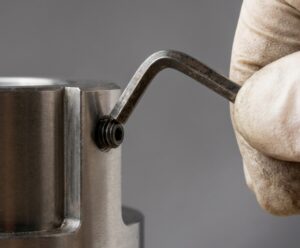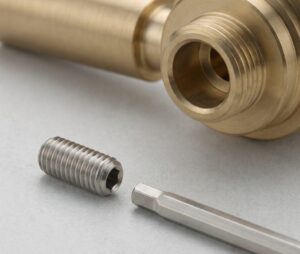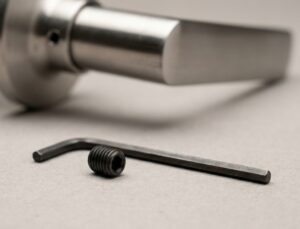
Determining the correct size set screw for a door handle is crucial for maintaining the functionality and security of your hardware. These small, headless fasteners are responsible for locking the door knob or lever securely onto the spindle. The most common sizes are 1/4-28, 5/16-18, or metric M4 and M5, depending on the manufacturer and age of the hardware. Selecting the precise thread pitch and length prevents handle wobbling and mechanical failure.
What is set screw for door handle?
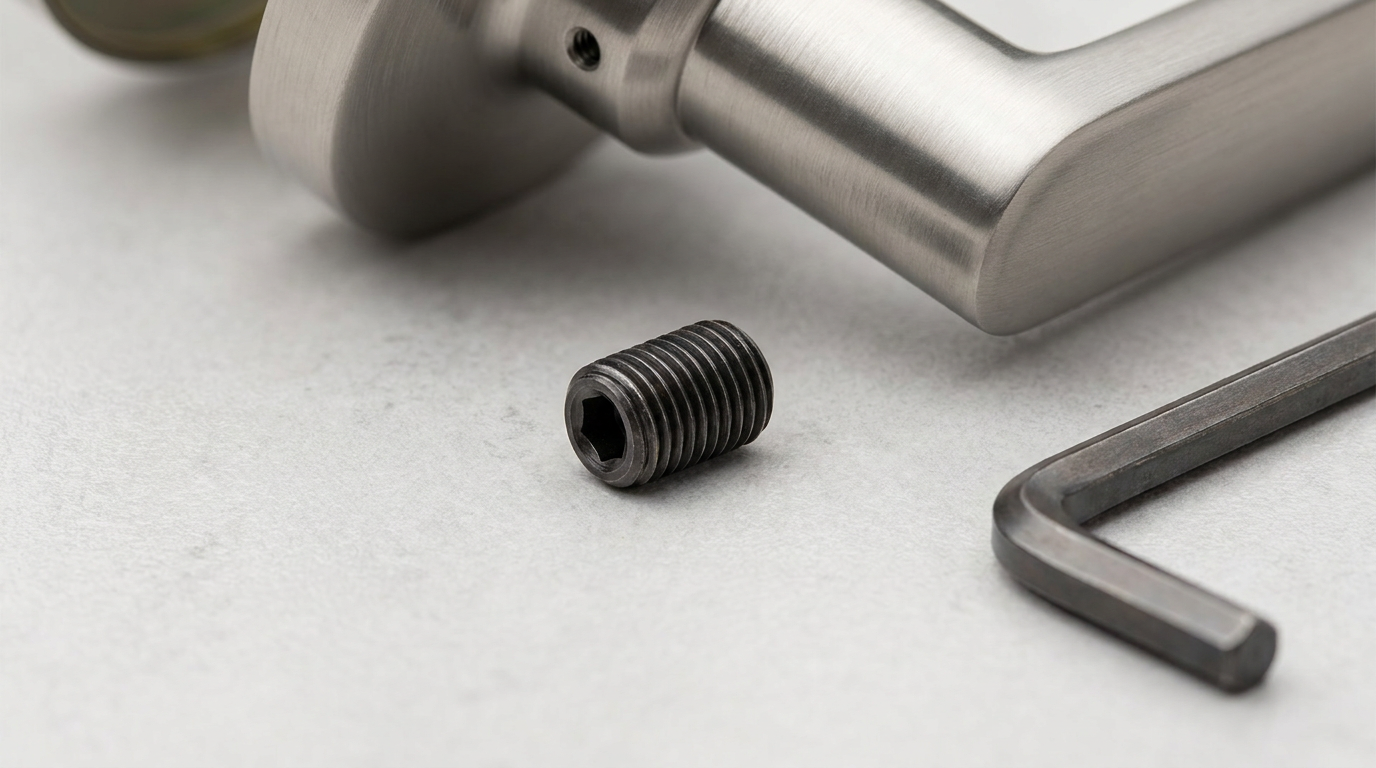
A set screw for a door handle is a specialized, headless fastener designed to secure a doorknob or lever to its internal spindle. Driven by an Allen wrench or flathead screwdriver, it threads through the handle base and bites into the spindle, creating a rigid connection that prevents the handle from detaching.
Anatomy and Common Specifications
Understanding the physical characteristics of these fasteners helps in identifying accurate replacements. They typically feature a cup point or flat point to grip the metal spindle without slipping, ensuring the hardware can withstand daily push-and-pull forces.
- Drive Type: Most commonly hexagonal (Allen), though slotted and Phillips variants are occasionally found on older or antique models.
- Point Style: Cup points are the industry standard, as the circular edge digs into the spindle for maximum holding power.
- Material: Usually manufactured from hardened carbon steel, stainless steel, or solid brass to resist thread stripping and environmental corrosion.
NTSS Pro Tip: Always check the thread pitch before forcing a new set screw into your door handle. Cross-threading can permanently ruin the handle’s internal threads, requiring a complete hardware replacement.
How Does set screw for door handle Work?
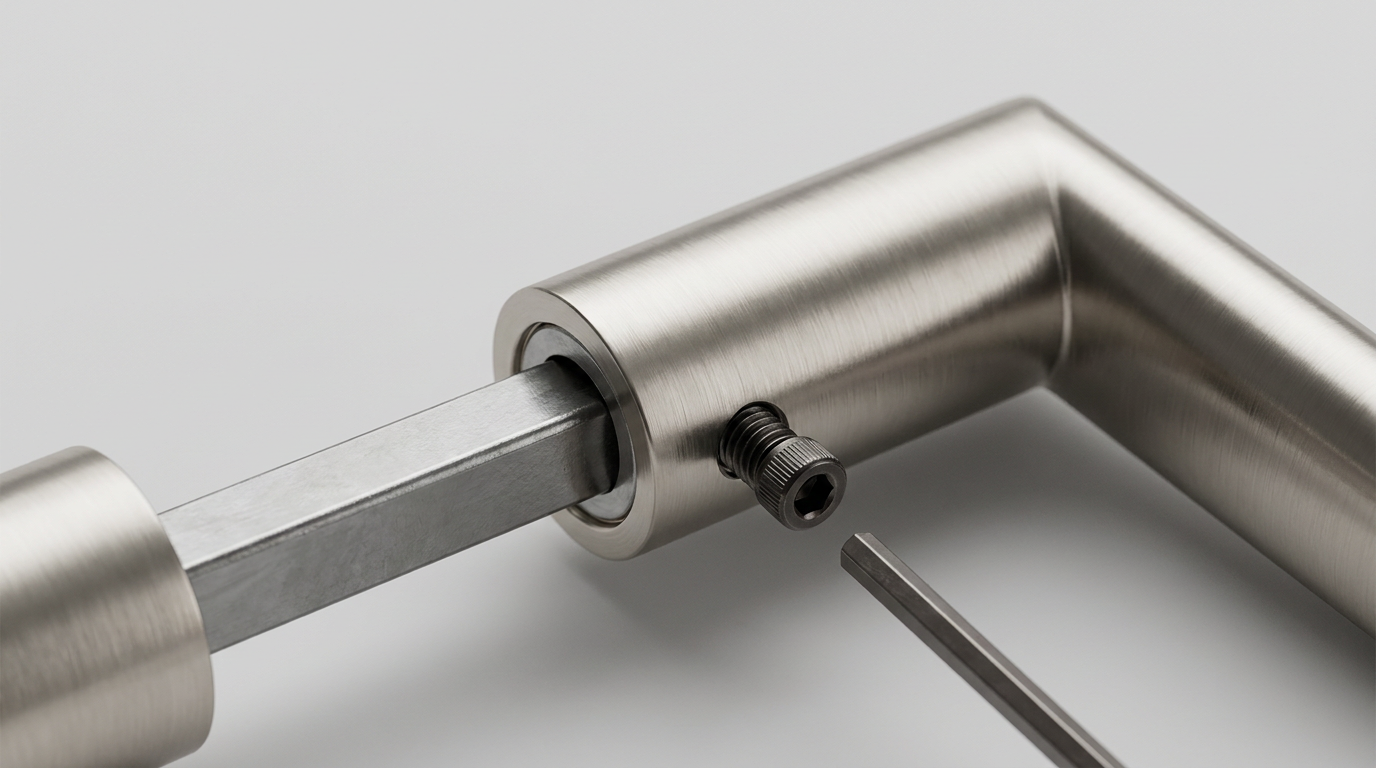
The set screw works by utilizing compressive friction to lock two components together. As you tighten the screw through the threaded hole in the door handle collar, its point presses firmly against the flat side or V-groove of the spindle, immobilizing the handle and transferring rotational force to the latch.
The Mechanics of Spindle Engagement
The mechanical integrity of a door handle relies entirely on how well the set screw engages with the internal spindle. If the spindle is threaded or grooved, the set screw must align perfectly to prevent rotational slippage and premature wear.
- Alignment: Position the handle so the threaded screw hole aligns perfectly with the flat edge or groove of the spindle.
- Insertion: Thread the set screw into the handle collar by hand initially to ensure it seats correctly and avoids cross-threading.
- Torque Application: Use the appropriately sized hex key to tighten the screw until it firmly bites into the spindle’s metal surface.
- Testing: Turn the handle aggressively to ensure there is no wobbling, loose play, or mechanical binding.
NTSS Pro Tip: If your handle consistently comes loose, apply a single drop of blue threadlocker to the set screw threads before installation to prevent vibration-induced backing out.
What are the benefits of set screw for door handle?
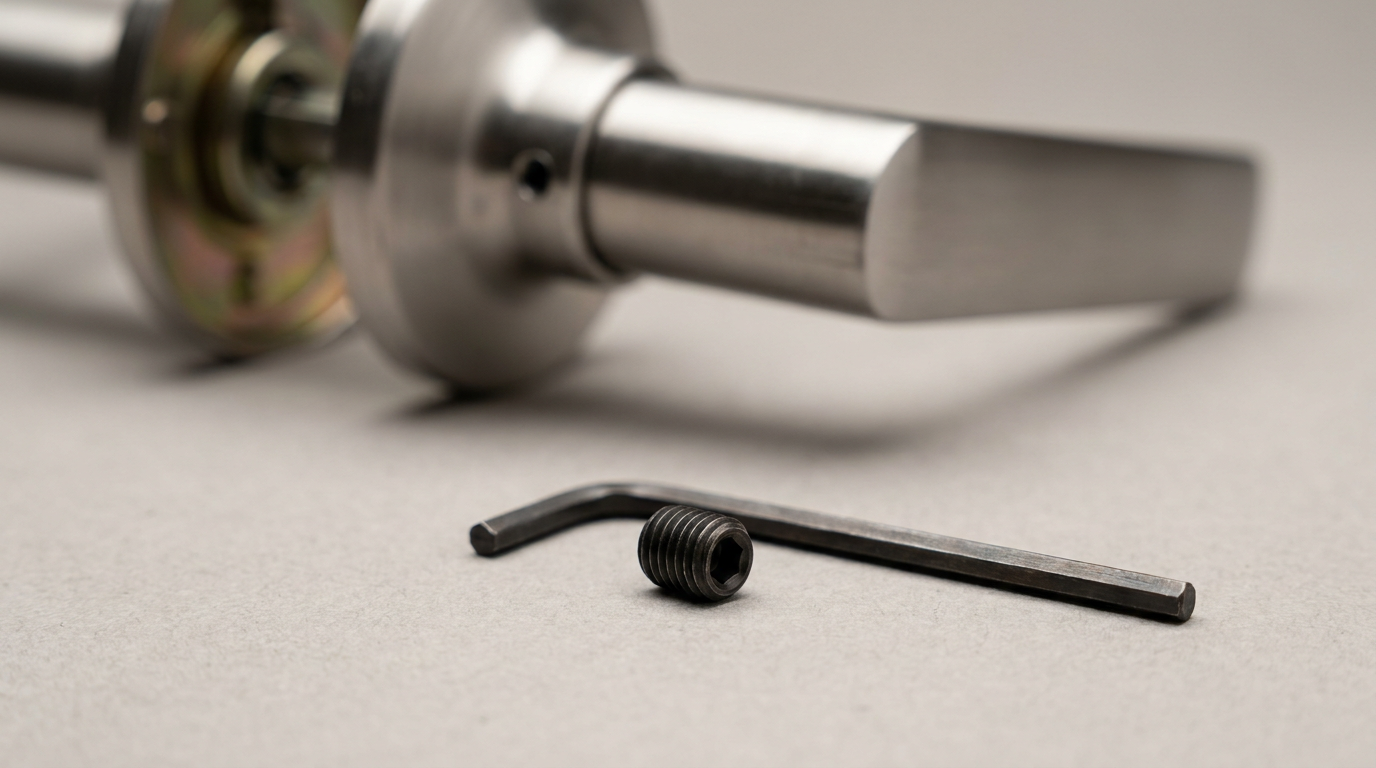
Using the correct set screw ensures long-term structural integrity, eliminates handle wobble, and extends the lifespan of your door hardware. These fasteners provide a seamless, flush finish that enhances aesthetics while offering a highly reliable, tamper-resistant connection that handles heavy daily mechanical stress.
Performance and Longevity Advantages
The primary advantage of a high-quality set screw is its ability to maintain high clamp loads in a very compact space without interfering with the user’s grip.
Based on our internal data and market analysis, here is the breakdown:
| Benefit | Description | Impact on Hardware |
|---|---|---|
| Concealment | Headless design sits flush or below the collar surface. | Improves aesthetic appeal and prevents hand injuries. |
| High Torque | Hex drives allow for significant tightening force. | Prevents handles from slipping off spindles during use. |
| Adjustability | Easy to loosen and reposition for fine-tuning. | Simplifies initial door handle installation and future repairs. |
NTSS Pro Tip: Upgrade to stainless steel set screws for exterior doors. The minor increase in cost is heavily outweighed by the prevention of rust, which can permanently fuse standard steel screws inside the handle.
How to maintain a set screw for door handle?
Maintaining a set screw involves periodic tightening, rust prevention, and ensuring the drive socket remains free of debris. Regular inspections every six months prevent the screw from backing out due to daily vibration, which is the primary cause of loose and malfunctioning door handles.
Routine Maintenance Procedures
Proper maintenance prevents the dreaded scenario of a stripped or seized set screw. Environmental factors like humidity and dirt accumulation can severely degrade the fastener over time if left unchecked.
- Visual Inspection: Check for signs of backing out, structural wobble, or rust formation around the handle collar.
- Cleaning: Use a safety pin or compressed air to clear lint and dirt from the hex socket so the wrench seats fully.
- Lubrication: Apply a micro-drop of penetrating oil annually, especially on exterior hardware, to prevent galvanic corrosion.
- Re-torquing: Gently tighten the screw with a properly sized Allen wrench, being careful not to over-torque and strip the delicate threads.
NTSS Pro Tip: Never use a worn or undersized Allen wrench to tighten a set screw. This will instantly round out the internal hex drive, making future adjustments or removals nearly impossible.
What is the price of set screw for door handle?
The price of a door handle set screw is highly economical, typically ranging from $0.10 to $1.50 per piece depending on the material, size, and quantity purchased. Buying in bulk or opting for specialized metric and imperial assortments offers the best overall value for replacements.
Pricing Tiers and Material Costs
While individual screws cost mere pennies, consumers usually purchase them in small multi-packs or comprehensive hardware kits. The material composition and manufacturing precision heavily dictate the final price point.
Based on our internal data and market analysis, here is the breakdown:
| Material / Type | Estimated Cost (Per Pack of 10) | Best Use Case |
|---|---|---|
| Standard Carbon Steel | $1.50 – $3.00 | Interior bedroom or hallway closet doors. |
| Stainless Steel (304/316) | $3.50 – $6.00 | Exterior doors or high-humidity areas like bathrooms. |
| Brass / Bronze Plated | $4.00 – $7.00 | Antique, vintage, or decorative interior hardware. |
NTSS Pro Tip: Instead of buying a single screw at a premium from a big-box retailer, purchase a master set screw assortment kit. It costs slightly more upfront but guarantees you have the exact size for any future repair.
Key Features & Comparison
Comparing different set screws involves evaluating thread pitch, drive style, and point type to match your specific door hardware. The correct combination ensures optimal grip on the spindle, prevents thread stripping, and maintains the handle’s structural stability under heavy daily usage.
Headless Fastener Specifications
Selecting the right set screw requires comparing standard imperial sizes against metric equivalents to ensure flawless integration with your specific door knob brand.
Based on our internal data and market analysis, here is the breakdown:
| Feature | Imperial Sizes (Common) | Metric Sizes (Common) | Primary Advantage |
|---|---|---|---|
| Standard Sizes | 10-24, 1/4-20, 5/16-18 | M4, M5, M6 | Fits the vast majority of global door handle brands. |
| Drive Style | 1/8″ or 3/32″ Hex | 2mm, 2.5mm, 3mm Hex | Allows high torque application without tool slippage. |
| Point Type | Cup Point | Cup or Flat Point | Ensures maximum bite into the metal spindle shaft. |
NTSS Pro Tip: If you are unsure whether your door handle requires an imperial or metric set screw, test the threads gently with an M5 and a 10-24 screw. Never force a screw that offers resistance after the first turn.
Cost & Buying Factors
When purchasing replacement set screws, factor in material grade, thread pitch compatibility, and bulk availability. While individual unit costs are negligible, investing in high-grade stainless steel or specialized assortment kits prevents recurring maintenance issues and provides long-term savings for homeowners and professionals.
Essential Purchasing Considerations
Sourcing the right fastener goes beyond just finding the cheapest option available. Buyers must evaluate the specific environment the door handle operates in to select the appropriate grade of hardware.
- Measurement Accuracy: Use a thread pitch gauge or digital calipers to determine the exact size of the lost or stripped screw.
- Environmental Resistance: Choose 316 marine-grade stainless steel for coastal environments to combat aggressive salt corrosion.
- Drive Quality: Ensure the hex drive is deeply broached to prevent the Allen wrench from camming out during installation.
- Assortment Kits: Consider buying a master kit containing various M4, M5, 10-24, and 1/4-20 sizes for versatile repair capabilities.
NTSS Pro Tip: Always verify the overall length of the set screw. A screw that is too long will protrude from the handle and cause injury, while one that is too short will not adequately engage the spindle.
Conclusion
Identifying the right size set screw for a door handle is a minor detail that plays a major role in home maintenance. By understanding thread pitches, proper installation techniques, and material benefits, you can permanently resolve loose handles and ensure your door hardware functions flawlessly.
Final Thoughts and Next Steps
Taking proactive steps to secure your door hardware prevents unexpected lockouts and costly handle replacements. Whether you are dealing with vintage brass knobs or modern lever handles, the principles of proper fastener selection remain identical.
- Assess: Check all handles in your home for missing, rusted, or loose set screws.
- Identify: Determine if your specific hardware requires metric or imperial replacements.
- Upgrade: Replace standard carbon steel screws with stainless steel for vastly improved durability.
- Secure: Apply a removable threadlocker to high-traffic doors to eliminate future maintenance routines.
NTSS Pro Tip: Don’t let a missing set screw force you to replace an entire expensive door handle set. Trust NTSS for precision-engineered fastening solutions that keep your hardware secure, functional, and looking its best for years to come.