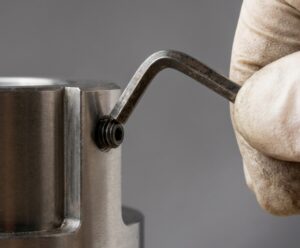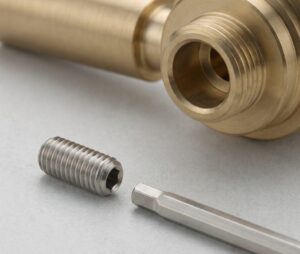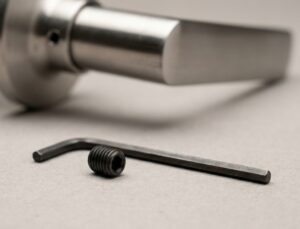
Properly tightening a set screw is a fundamental mechanical procedure essential for securing components like pulleys, gears, and collars to rotating shafts. When executed correctly, it prevents slippage, ensures rotational accuracy, and maximizes the lifespan of industrial machinery. Understanding torque specifications, thread engagement, and proper tool usage is critical to avoid stripping the drive recess.
What is tighten set screw?
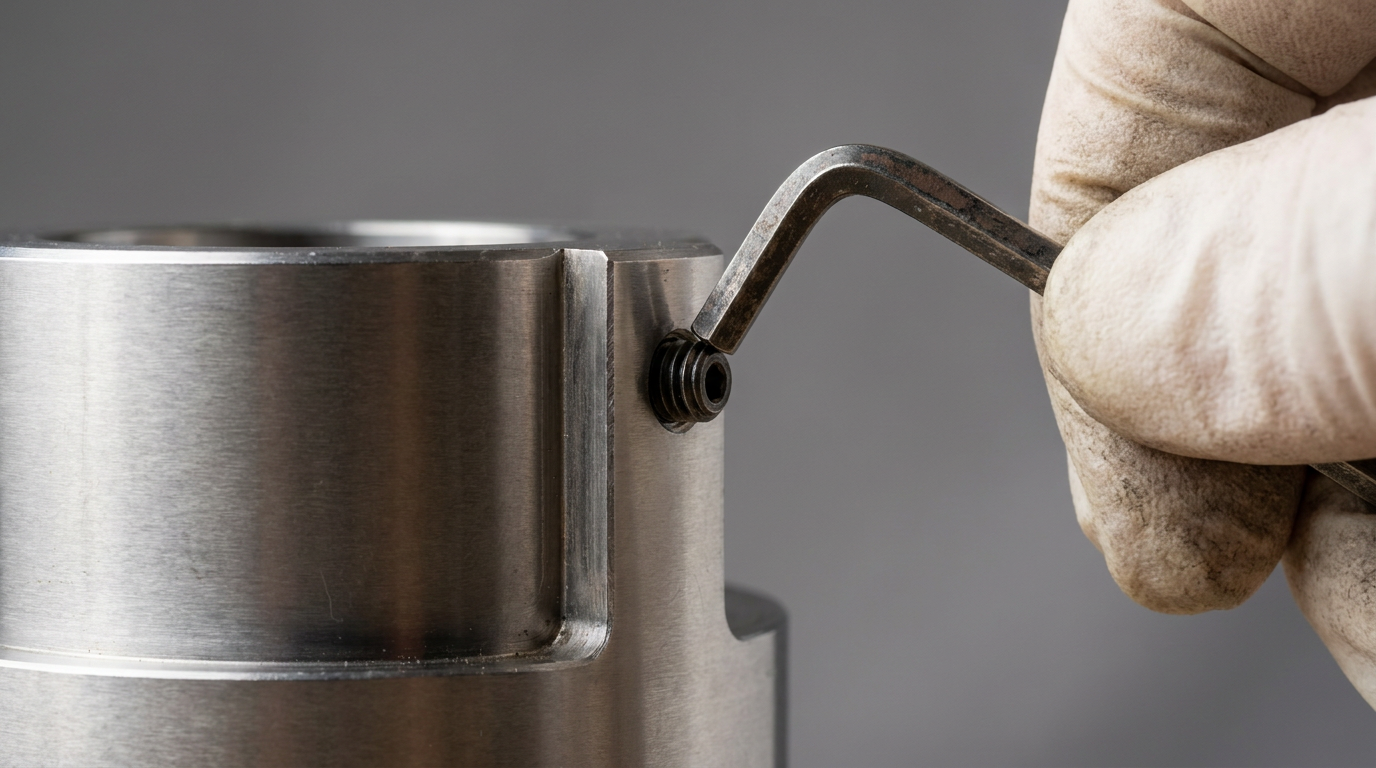
Tightening a set screw involves applying specific rotational force to a fully threaded fastener lacking a traditional head, driving it against an internal shaft to lock two components together. This process relies on compressive friction and point penetration to restrict relative movement between mechanical assemblies safely and effectively.
Core Mechanics of Set Screw Fastening
The process of tightening a set screw requires mechanical precision to ensure maximum holding power without causing structural deformation. When the screw is driven into the tapped hole, the point of the screw bites into or compresses against the inner shaft to create a locking friction joint.
- Alignment Verification: Position the outer component correctly over the shaft to ensure the tapped hole aligns with the intended contact point.
- Precision Tool Selection: Insert the exact-fitting hex key or driver to prevent rounding out the drive socket under high torque.
- Initial Threading: Turn the screw clockwise by hand initially to prevent cross-threading the tapped hole.
- Final Torque Application: Apply the manufacturer-specified torque limit using a calibrated wrench to securely lock the screw in place.
NTSS Pro Tip: Always inspect the hex recess before tightening; using a worn-out Allen key is the leading cause of stripped set screws in high-torque industrial applications.
How Does tighten set screw Work?
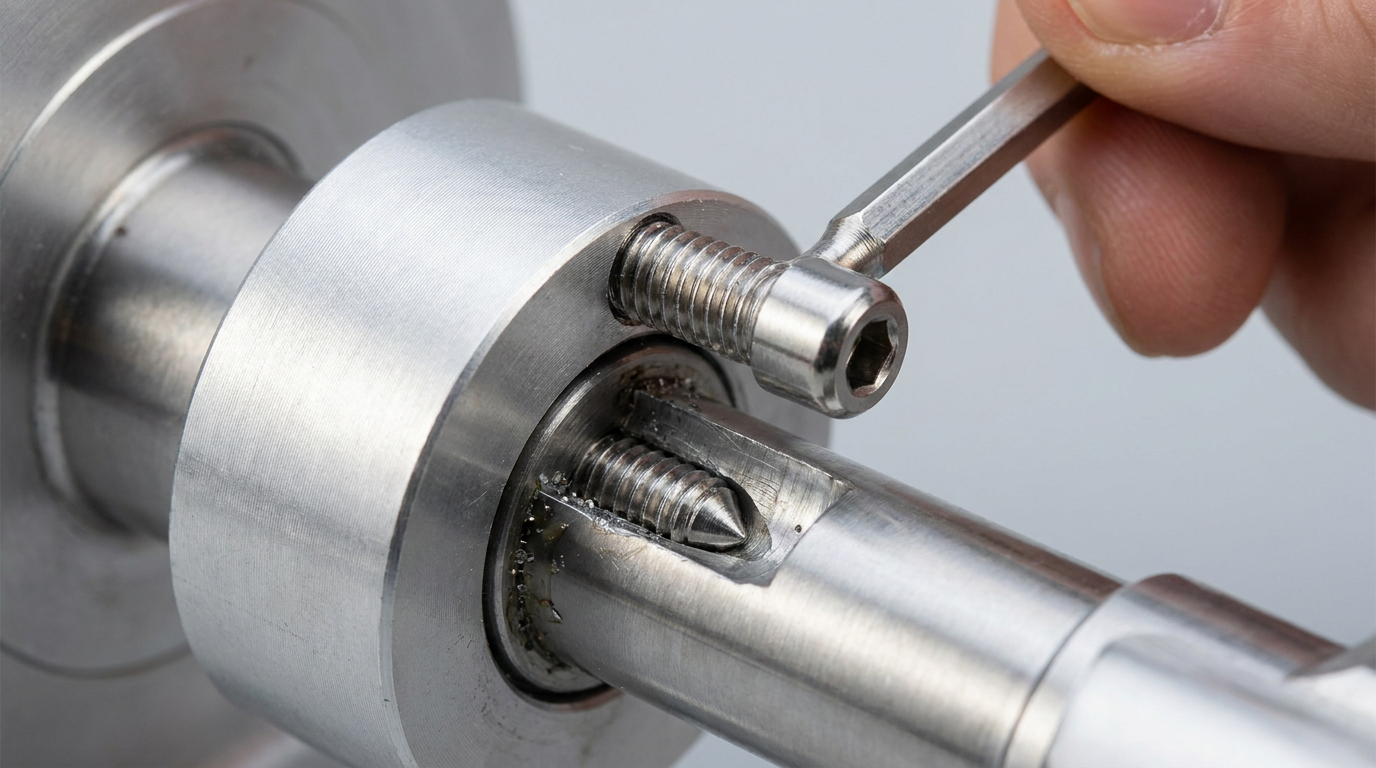
The mechanism of tightening a set screw works by converting the rotational torque applied to the drive recess into downward axial thrust. As the screw advances, its point makes direct contact with the inner shaft, generating immense frictional and compressive forces that mechanically lock the components.
Physics of Compressive Fastening
Understanding the physics behind tightening a set screw helps operators achieve optimal holding power. The effectiveness of the hold is heavily dependent on the type of point the set screw features, as each point type interacts with the underlying shaft differently under rotational tension.
Based on our internal data and market analysis, here is the breakdown:
| Point Type | Working Mechanism | Best Application |
|---|---|---|
| Cup Point | Cuts a circular ridge directly into the shaft for high grip. | Standard permanent or semi-permanent mechanical fixtures. |
| Flat Point | Applies broad, flat pressure without causing shaft damage. | Frequent readjustments and thin-walled structural shafts. |
| Cone Point | Penetrates deeply into the shaft material for maximum holding. | Permanent installations requiring high torque transfer. |
NTSS Pro Tip: For dynamic loads subject to heavy vibration, we highly recommend using a medium-strength thread-locking fluid in conjunction with proper torqueing techniques to prevent the screw from backing out.
What are the benefits of tighten set screw?
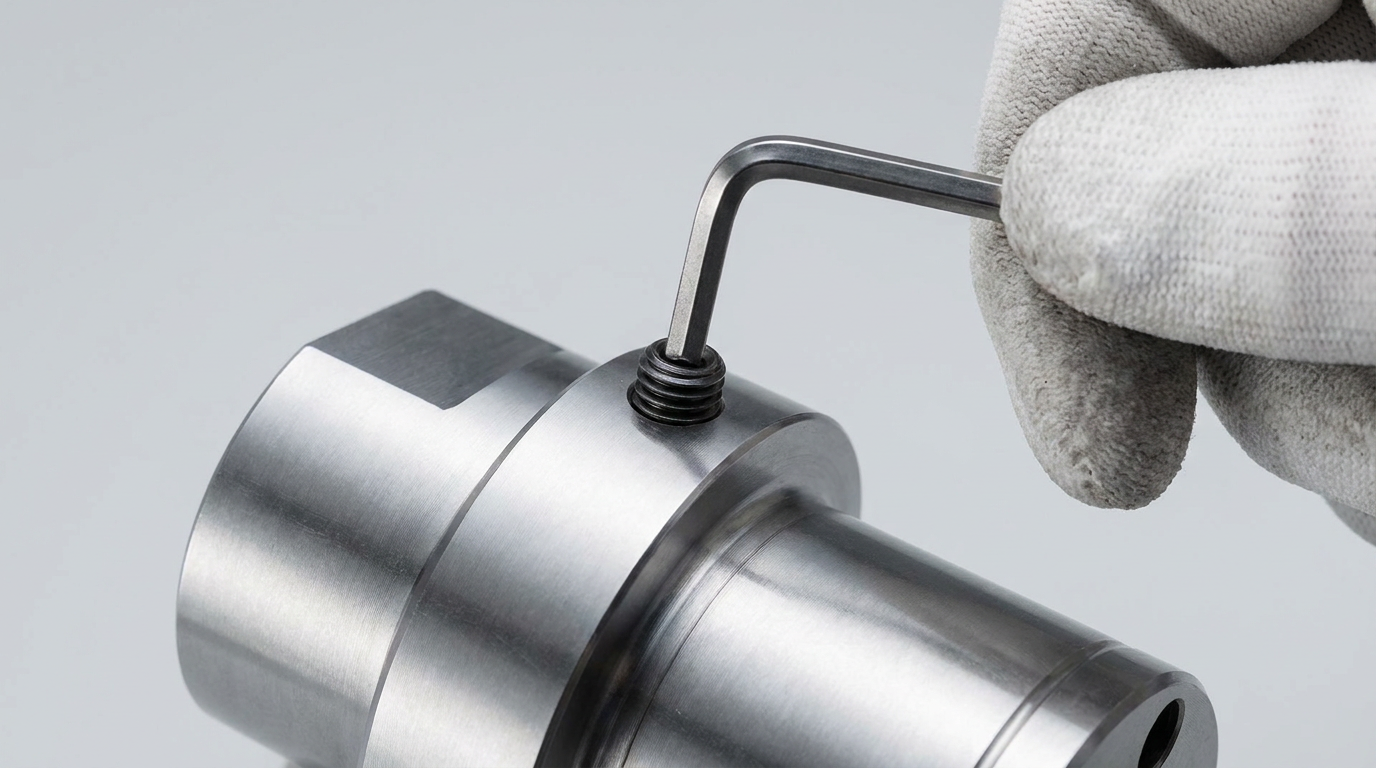
Properly tightening a set screw provides unmatched mechanical stability, prevents component slippage during high-speed rotation, and ensures precise alignment of moving parts. This secure fastening method eliminates the need for bulky external hardware, maintaining a flush, aerodynamic profile on rotating machinery.
Operational Advantages of Correct Torqueing
Executing the tightening process correctly yields numerous long-term operational benefits for mechanical systems. Over-tightening can fracture the component, while under-tightening leads to catastrophic slippage. Hitting the perfect torque sweet spot maximizes equipment uptime and safety.
- Vibration Resistance: A properly torqued screw naturally resists loosening caused by continuous machine oscillations.
- Shaft Integrity: Applying the correct pressure prevents gouging, scoring, or bending the central rotating shaft.
- Compact Design: Fully seated and tightened set screws sit completely flush, preventing interference with adjacent moving mechanisms.
- Cost Efficiency: Reduces maintenance downtime and replacement costs by preventing premature mechanical joint failures.
NTSS Pro Tip: If you are securing a pulley to a shaft with a machined flat surface, tightening a flat-point set screw directly against that flat guarantees zero rotational slip under heavy loads.
How to maintain a tighten set screw?
Maintaining a tightened set screw involves regular visual inspections, periodic torque verifications using a calibrated wrench, and checking for signs of metal fatigue or corrosion. Routine maintenance ensures the fastener retains its clamping force over time despite thermal expansion and mechanical vibration.
Long-Term Fastener Maintenance Protocol
Set screws operate in stressful physical environments where they are subjected to constant dynamic forces and thermal shifts. Establishing a rigorous, scheduled maintenance protocol is essential for preserving the integrity of the tightened joint over its operational lifespan.
- Visual Inspection: Regularly check the joint for rust, stripping in the drive recess, or fluid leaks around the exposed threads.
- Torque Audits: Use a precision torque wrench every six months to verify the screw has not backed out from its original setting.
- Re-application of Threadlocker: If a screw must be removed and re-tightened for maintenance, clean the threads entirely and apply fresh threadlocker.
- Environmental Protection: Apply specialized anti-corrosion sprays if the machinery operates in damp, chemical, or highly saline environments.
NTSS Pro Tip: Never reuse a cup-point set screw if it has been fully torqued and removed; the cutting edge becomes dull, reducing its holding power by up to 40% upon re-tightening.
What is the price of tighten set screw?
The cost associated with set screws and the tools required to tighten them varies widely based on material, size, and precision grades. While individual set screws cost mere cents, professional-grade torque tools and thread-locking compounds represent a moderate initial investment ranging from $20 to $150.
Tooling and Fastener Cost Breakdown
When budgeting for mechanical assemblies, you must account for both the consumable fasteners themselves and the precision tools necessary to tighten them to exact engineering specifications.
Based on our internal data and market analysis, here is the breakdown:
| Item Category | Average Cost Range | Lifespan / Usage |
|---|---|---|
| Standard Alloy Set Screws | $0.10 – $0.50 per unit | Single use recommended for biting points (cup/cone). |
| Precision Hex Key Set | $15.00 – $40.00 | 1-3 years depending on usage frequency and torque. |
| Micro Torque Wrench | $60.00 – $200.00 | 5+ years (requires annual calibration for accuracy). |
| Industrial Threadlocker | $10.00 – $25.00 per bottle | 50-100 individual fastener applications per bottle. |
NTSS Pro Tip: Investing in a high-quality, calibrated torque driver pays for itself rapidly by completely eliminating the costly downtime associated with stripped threads and sheared internal shafts.
Key Features & Comparison
Evaluating the key features of different set screw tightening methods reveals critical distinctions in holding power, tool engagement, and reusability. Choosing the correct drive style and point configuration dictates exactly how effectively the fastener can be secured without stripping the head.
Drive Style Torque Capacities
The drive recess design directly determines how much torque can be applied during the tightening process. Different drive styles offer varying levels of mechanical advantage and resistance to cam-out (tool slippage) under extreme pressure.
Based on our internal data and market analysis, here is the breakdown:
| Drive Style | Torque Capacity | Cam-Out Resistance | Ideal Use Case |
|---|---|---|---|
| Hex Socket (Allen) | High | Excellent | Standard industrial machinery, gears, and electric motors. |
| Torx (Star) | Very High | Superior | High-vibration environments requiring maximum tightening torque. |
| Slotted | Low | Poor | Low-torque, easily accessible consumer goods and light fixtures. |
NTSS Pro Tip: Upgrade to Torx drive set screws if your assembly requires frequent tightening and loosening, as the star-shaped design virtually eliminates the risk of rounding out the socket.
Cost & Buying Factors
When purchasing set screws and tightening equipment, critical buying factors include material compatibility, environmental resistance, and the precision grade of the fasteners. Selecting the right components ensures reliable torque application and prevents costly mechanical joint failures out in the field.
Procurement Considerations for Fastening Hardware
Procurement teams must look beyond the basic unit price of the fastener. The true cost of tightening a set screw includes the long-term reliability of the joint and the labor involved in both installation and ongoing maintenance.
- Material Hardness: Ensure the set screw is harder than the shaft it is biting into, which typically requires alloy steel or hardened stainless steel.
- Corrosion Resistance: Opt for zinc-plated or 316 stainless steel screws if the tightening environment is exposed to moisture, weather, or harsh chemicals.
- Tool Compatibility: Verify that your assembly facility has the exact metric or imperial drivers required to match the purchased screws perfectly.
- Bulk Availability: Purchasing in bulk reduces unit costs significantly, but ensure proper dry storage to prevent thread degradation before installation.
NTSS Pro Tip: Always source fasteners from reliable suppliers that provide certified torque specification charts, ensuring your assembly team knows exactly how hard to tighten each specific screw size.
Conclusion
Mastering how to tighten a set screw is vital for maintaining the structural integrity and operational efficiency of any mechanical system. By applying the correct torque, using proper precision tools, and selecting the right point style, you guarantee long-lasting, slip-free performance.
Final Assembly Best Practices
A systematic, educated approach to fastening ensures highly reliable mechanical outcomes. Whether you are working on heavy industrial equipment, automotive assemblies, or precision robotics, the fundamental principles of proper thread engagement and torque control remain exactly the same.
- Clean all internal tapped threads and external screw threads before beginning installation.
- Align all mechanical components perfectly before applying initial hand torque.
- Always use calibrated tools to hit exact manufacturer torque specifications rather than guessing.
- Implement a routine inspection and re-tightening schedule for all critical, high-load joints.
NTSS Pro Tip: Trust NTSS for your high-performance fastening needs; our precision-engineered set screws are explicitly designed to handle maximum torque without deformation, keeping your machinery running flawlessly.