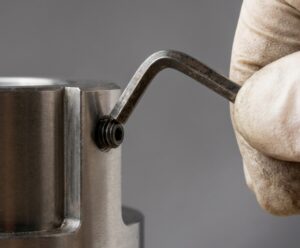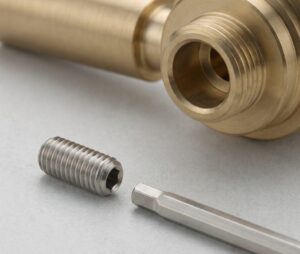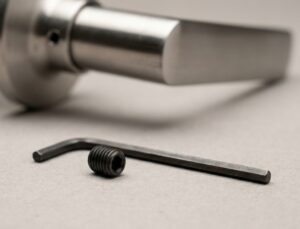
A nylon tipped set screw is a specialized mechanical fastener designed to secure components in place without damaging the mating surface. By integrating a soft, compressible nylon insert at the contact point, these screws provide excellent grip and vibration resistance while preventing the scoring, scratching, or marring typically caused by standard metal fasteners. They are essential in precision engineering, robotics, and delicate mechanical assemblies.
What is nylon tipped set screw?

A nylon tipped set screw is a threaded fastener featuring a durable nylon insert at its tip. This design allows the screw to firmly lock shafts, gears, or delicate components in place by applying compressive force, effectively preventing rotational movement while completely protecting the contact surface from mechanical damage.
Anatomy and Composition
The construction of this fastener combines the high tensile strength of traditional metal alloys with the protective properties of industrial-grade polymers. The core body is typically machined from stainless steel, alloy steel, or brass, providing the necessary torque capacity. The tip houses a precisely fitted nylon pad that sits slightly proud of the metal.
- Threaded Body: Provides the structural integrity and driving force required to secure the assembly.
- Nylon Insert: Acts as a protective buffer, friction generator, and vibration dampener.
- Drive Type: Usually features a hex socket (Allen) or slotted head for precise torque application in tight spaces.
NTSS Pro Tip: Always match the body material of the set screw to your application environment. For high-moisture areas, opt for our stainless steel variants to prevent galvanic corrosion while relying on the nylon tip for surface protection.
How Does nylon tipped set screw Work?

The screw operates by translating rotational torque into linear compressive force. As the fastener is tightened, the nylon tip makes direct contact with the mating shaft. The polymer compresses slightly, creating a high-friction, custom-molded grip that secures the component without biting into the metal.
The Mechanical Locking Process
When a standard metal set screw is tightened, its hardened point digs into the softer shaft to prevent rotation, permanently scarring the surface. A nylon tipped set screw eliminates this by utilizing the elastic deformation of the polymer to create a secure hold.
- Insertion: The screw is threaded into the tapped hole of the outer component (like a gear or collar).
- Contact: The nylon tip reaches the inner shaft or mating surface.
- Compression: As final torque is applied, the nylon deforms slightly to match the shaft’s exact contour.
- Locking: The compressed nylon generates immense friction to prevent slipping and acts as a shock absorber against machine vibrations.
NTSS Pro Tip: Avoid over-torquing. The locking mechanism relies on friction and compression, not penetration. Applying excessive force can crush the nylon insert and compromise its reusable nature.
What are the benefits of nylon tipped set screw?

The primary benefits include absolute protection against surface marring, exceptional resistance to vibration-induced loosening, and the ability to conform to curved or irregular shafts. Additionally, the insulating properties of the nylon tip provide a barrier against electrical conductivity and thermal transfer.
Performance Advantages
Engineers and mechanics choose these specialized fasteners when preserving the integrity of expensive, calibrated, or highly polished shafts is critical to the longevity of the machine.
Based on our internal data and market analysis, here is the breakdown:
| Benefit Category | Description | Impact on Assembly |
|---|---|---|
| Surface Protection | Prevents scoring and scratching | Extends the lifespan of expensive shafts and gears. |
| Vibration Dampening | Absorbs kinetic energy | Reduces the risk of the assembly loosening over time. |
| Adjustability | Easy to reposition | Allows for precise tuning without leaving permanent marks. |
| Electrical Isolation | Nylon is non-conductive | Prevents short circuits between rotating metallic components. |
NTSS Pro Tip: Use these screws in prototyping and testing phases. Because they don’t leave witness marks on the shaft, you can adjust and reposition components hundreds of times without degrading your test hardware.
How to maintain a nylon tipped set screw?
Maintenance involves regular visual inspections for nylon degradation, checking for proper torque retention, and ensuring the surrounding environment has not compromised the polymer. Because the nylon tip undergoes compressive stress, periodic replacement is recommended during major mechanical overhauls to ensure maximum grip.
Maintenance and Inspection Protocols
While these fasteners are highly durable, the polymer tip is susceptible to wear over time, especially if subjected to frequent adjustments, extreme temperatures, or harsh industrial chemicals.
- Check Torque Specifications: Use a calibrated torque wrench during routine checks to ensure the screw hasn’t backed out due to heavy vibration.
- Inspect the Polymer: Remove the screw periodically to check if the nylon tip has become flattened, cracked, or dislodged.
- Evaluate Environmental Factors: Ensure the operating temperature remains below 200°F (93°C), as excessive heat can melt or permanently deform standard nylon inserts.
NTSS Pro Tip: If your application involves continuous micro-adjustments, keep a maintenance log of how many times the screw has been reset. We recommend replacing the fastener after 10-15 cycles to guarantee optimal holding power.
What is the price of nylon tipped set screw?
The price of a nylon tipped set screw ranges from $0.50 to $5.00 per unit, heavily dependent on the base material, thread size, and order volume. Stainless steel and custom-machined variants command a premium, while bulk purchases significantly reduce the per-unit cost.
Pricing Variables and Market Rates
Cost fluctuations in the fastener industry are driven by raw material availability and manufacturing precision. Inserting a nylon tip requires specialized secondary machining, making these screws more expensive than standard cup-point alternatives.
Based on our internal data and market analysis, here is the breakdown:
| Material / Type | Estimated Cost (Per Unit) | Best Use Case |
|---|---|---|
| Alloy Steel (Black Oxide) | $0.50 – $1.50 | General indoor machinery and robotics. |
| 18-8 Stainless Steel | $1.00 – $3.00 | Corrosive environments and food processing. |
| 316 Stainless Steel | $2.50 – $5.00 | Marine applications and chemical plants. |
| Custom Metric Sizes | $3.00+ | Highly specialized precision instruments. |
NTSS Pro Tip: Always forecast your project requirements and buy in bulk quantities of 100 or more. Purchasing directly from specialized manufacturers can cut your fastener procurement costs by up to 40%.
Key Features & Comparison
Nylon tipped set screws stand out for their non-marring properties, high friction coefficients, and reusability. Compared to standard cup, cone, or flat point set screws, they offer superior vibration resistance and are the only option that completely preserves the structural integrity of the mating shaft.
Fastener Point Style Comparison
Selecting the right point style is critical for mechanical stability. how the nylon variant stacks up against traditional all-metal designs commonly found in industrial applications.
Based on our internal data and market analysis, here is the breakdown:
| Point Style | Marring / Surface Damage | Vibration Resistance | Reusability |
|---|---|---|---|
| Nylon Tipped | None (100% Protection) | Excellent | High |
| Cup Point | Severe (Cuts into shaft) | Good | Low |
| Flat Point | Moderate (Causes flattening) | Fair | Moderate |
| Cone Point | Severe (Deep penetration) | Excellent | Low |
NTSS Pro Tip: If you are upgrading from cup point to nylon tipped screws, you may need to slightly increase your torque settings to achieve the same axial holding power, as the nylon acts as a cushion.
Cost & Buying Factors
When purchasing these fasteners, buyers must evaluate the thread pitch, overall length, drive type, and the specific alloy of the screw body. Environmental conditions such as chemical exposure and operating temperatures will dictate whether standard steel or higher-grade stainless options are required.
Procurement Checklist
Sourcing the correct hardware requires a clear understanding of the mechanical stresses your assembly will face during its operational lifespan.
- Thread Specifications: Ensure the metric (M3, M4, etc.) or imperial (8-32, 1/4-20) sizing matches your tapped holes perfectly to prevent cross-threading.
- Material Compatibility: Select stainless steel for outdoor use and alloy steel for high-torque, indoor applications.
- Temperature Limits: Verify that your application does not exceed the melting point of the nylon insert (typically around 250°F maximum).
- Vendor Certifications: Source from suppliers that provide ISO-certified hardware to guarantee consistent thread tolerances and nylon quality.
NTSS Pro Tip: Request a sample batch before placing a massive volume order. Test the fasteners on a scrap piece of your actual shaft material to verify that the nylon compression provides the exact holding force your design requires.
Conclusion
A nylon tipped set screw is an indispensable fastener for protecting delicate shafts, dampening vibration, and ensuring precise, adjustable mechanical assemblies. By leveraging the compressive strength of polymers, it offers a superior, non-destructive alternative to traditional metal-to-metal locking mechanisms.
Final Thoughts on Hardware Selection
Integrating these specialized screws into your manufacturing or repair processes can drastically reduce maintenance costs and component wear over time. Whether you are building medical devices, robotics, or optical equipment, choosing the right fastener makes all the difference.
- Provides 100% surface protection for delicate components.
- Offers reliable vibration dampening to prevent loosening.
- Lowers long-term replacement costs of expensive shafts and gears.
NTSS Pro Tip: Ready to upgrade your assembly line? Audit your current mechanical designs to identify areas where shaft scoring is an issue, and seamlessly swap in our premium nylon tipped set screws to instantly improve product longevity.